

Security Company Insurance
Wide Insurance Panel With 80+ Providers
Cover Options Designed Around Your Business
Excellent Customer Reviews


Security Company Insurance
Running a security business comes with significant responsibilities. Whether you provide manned guarding, mobile patrols, keyholding, door supervision, event security or CCTV monitoring, your work can involve risks to your employees, clients, members of the public and property.
Security company insurance can help protect your business against the financial impact of liability claims, employee-related incidents, damage to equipment and other unexpected events. The right cover will depend on the services you provide, how your business operates and the risks associated with your work.
At 1st Choice Insurance, we arrange tailored insurance for security companies, contractors and self-employed security professionals. We take the time to understand your business before discussing the cover options available, helping you arrange protection that reflects your individual requirements.
Whether you operate as a sole trader, small security company or larger business with multiple employees and vehicles, we can help you explore your insurance options.

Get a Security Company Insurance Quote
Every security business is different, so your insurance should reflect the services you provide and the risks you face.
Our team can discuss your business, explain the available cover options and help you arrange a policy suited to your requirements.
Call 03301 081615, or complete our quote form below.
What Is Security Company Insurance?
Security company insurance is a form of business insurance designed for companies and individuals providing security-related services.
Security businesses can operate in a wide range of environments, from retail premises and construction sites to licensed venues, events, offices and private residences. The nature of the work means that businesses may face risks involving employees, customers, members of the public, client property and security equipment.
Depending on your business activities, insurance can be arranged to include a combination of covers such as:
- Public liability insurance
- Employers’ liability insurance
- Professional indemnity insurance
- Tools and equipment cover
- Business interruption insurance
- Legal expenses cover
- Commercial vehicle insurance
- Fleet insurance
The appropriate cover will depend on the services you provide and the specific risks associated with your business.

Who Needs Security Company Insurance?
Security insurance can be suitable for a wide range of businesses and professionals working within the private security industry.
This can include:
- Private security companies
- Manned guarding companies
- Security guards and security officers
- Mobile patrol companies
- Keyholding and alarm response businesses
- Door supervision businesses
- Event security companies
- CCTV monitoring businesses
- Security consultants
- Close protection and bodyguard services
- Security dog handlers
- Security contractors and subcontractors
- Self-employed security professionals
If you provide security services for clients, work at third-party premises or employ security personnel, it is important to consider the potential liabilities associated with your work.
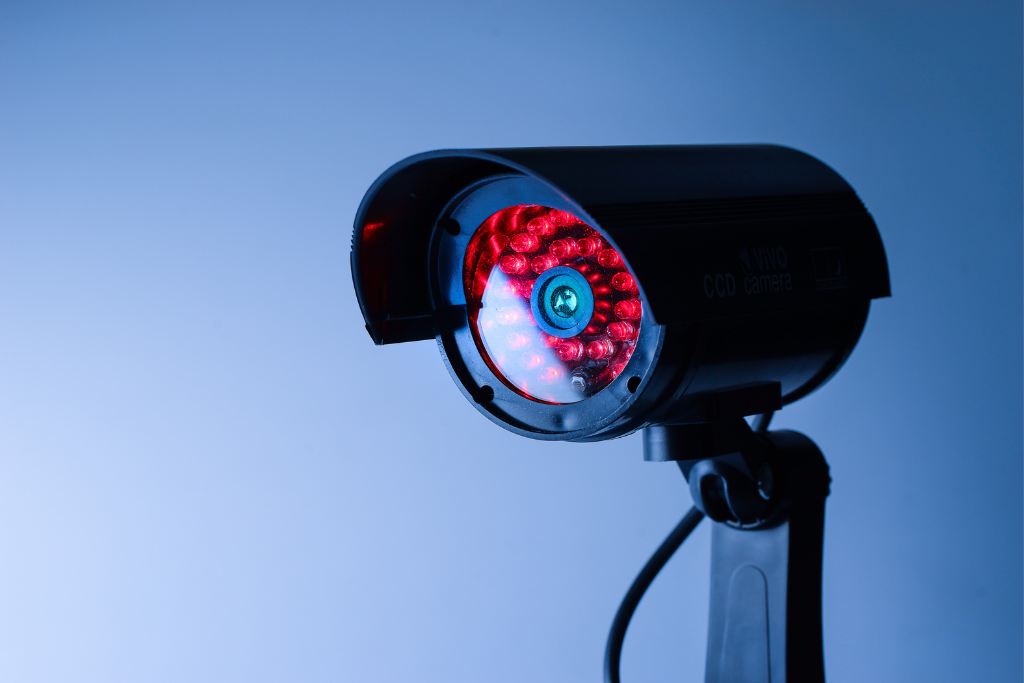
What Does Security Company Insurance Cover?
Your security business may require several different types of insurance. These can be arranged individually or combined into a wider business insurance package, depending on your circumstances.
Public Liability Insurance for Security Companies
Public liability insurance can protect your business against claims made by third parties for injury or accidental damage to their property arising from your business activities.
For security companies, this can be particularly relevant when employees are working at client premises, venues, events or other locations where they interact with members of the public.
The circumstances in which a claim is covered will depend on the terms, conditions and exclusions of your policy.
Employers’ Liability Insurance
If you employ staff, employers’ liability insurance is generally a legal requirement in the UK.
Security work can involve a variety of workplace risks, and employers’ liability insurance provides protection against eligible claims made by employees who suffer injury or illness as a result of their work.
It can be relevant to businesses employing security guards, door supervisors, mobile patrol officers, event security staff and other personnel.
Professional Indemnity Insurance
If your security business provides professional advice, consultancy, risk assessments, security planning or other advisory services, professional indemnity insurance may be appropriate.
It can provide protection against certain claims alleging that professional advice or services have resulted in financial loss.
Security Equipment Insurance
Security companies can rely on a range of equipment to deliver their services, including radios, body-worn cameras, monitoring equipment and other technology.
Depending on the policy, equipment cover can provide protection against insured events such as theft, accidental damage or loss.
It is important to make sure the value and type of equipment you use are accurately declared when arranging your insurance.
Business Interruption Insurance
An unexpected event affecting your premises or equipment could disrupt your ability to operate.
Business interruption insurance can provide cover for certain financial losses following an insured event, helping your business manage lost income and additional costs while operations are restored.
Legal Expenses Insurance
Security businesses can face legal disputes involving contracts, employment matters or other business issues.
Legal expenses insurance may provide access to legal support and cover certain legal costs, subject to the policy terms and conditions.
Commercial Vehicle Insurance
If your security company operates vehicles for mobile patrols, alarm response, keyholding, site visits or transporting equipment, commercial motor insurance may be required.
Depending on your requirements, cover can be arranged for individual vehicles or multiple vehicles under a fleet policy.
Benefits of Security Company Insurance
Protection Against Liability Claims
Security businesses can interact with members of the public and work across a wide range of client premises. Public liability insurance can help protect against eligible claims for injury or property damage arising from your business activities.
Protection for Your Employees
Employers’ liability insurance helps protect businesses against eligible claims from employees who suffer work-related injury or illness and is generally required by law where you employ staff.
Protection for Business Equipment
Radios, body cameras, monitoring equipment and other technology can be important to your operations. Appropriate equipment insurance can help protect these assets against covered risks.
Support Following Business Disruption
Business interruption cover can help protect against certain financial losses following an insured event that prevents your business from operating normally.
Support With Contract Requirements
Some clients and organisations require security contractors to hold specific types or levels of insurance before work can begin. Having appropriate insurance documentation can help you meet these requirements where applicable.
Cover That Reflects Your Business
A security company providing mobile patrols will have different requirements from a business providing static guarding or security consultancy. Insurance can be structured around your individual services, rather than relying on a standard approach.
Why Is Security Insurance Important?
Security professionals are trusted to protect people, property and premises, but the work itself can involve a range of potential liabilities.
A security officer could be involved in an incident resulting in an injury claim. Equipment could be stolen or damaged. A vehicle used for mobile patrols could be involved in an accident. A dispute with a client could also result in legal costs.
Having appropriate insurance in place can help reduce the financial impact of unexpected events and give you greater confidence when carrying out your day-to-day work.
It can also be an important consideration when tendering for contracts, as clients may require evidence of appropriate insurance before appointing a security provider.
Frequently Asked Questions About Security Company Insurance
Do security companies need insurance?
There is no single insurance policy that every security company is legally required to have. However, employers’ liability insurance is generally required if you employ staff, while motor insurance is required for vehicles used on public roads.
Other insurance, such as public liability and professional indemnity, may be required by clients or contracts and can provide important protection against the risks associated with your business.
Do security guards need public liability insurance?
Self-employed security guards and contractors can benefit from public liability insurance because they may be responsible for injury or property damage arising from their work. Some clients or contractors may also require evidence of cover before allowing you to work.
What insurance does a security company need?
The cover you need will depend on your services and how your business operates. Common options include public liability, employers’ liability, professional indemnity, equipment, legal expenses, business interruption and commercial vehicle insurance.
Does security company insurance cover mobile patrols?
It can. If you provide mobile patrol or alarm response services, your insurance can be arranged around these activities. Your insurer will need details of how the patrol service operates and the vehicles used.
Can security companies insure their equipment?
Cover can potentially be arranged for equipment such as radios, body cameras and other security technology against specified insured risks. The exact cover available will depend on the policy.
Can I get insurance if I am a self-employed security contractor?
Insurance can be arranged for self-employed security professionals, subject to the insurer’s underwriting criteria. The type of work you undertake and your contractual arrangements will be relevant when arranging cover.
Can security companies insure multiple vehicles?
If your business operates several vehicles, fleet insurance may be available. This can be particularly relevant to businesses providing mobile patrols, keyholding and alarm response services.
